Week 6 · 6th century: AD 501–600
Artwork
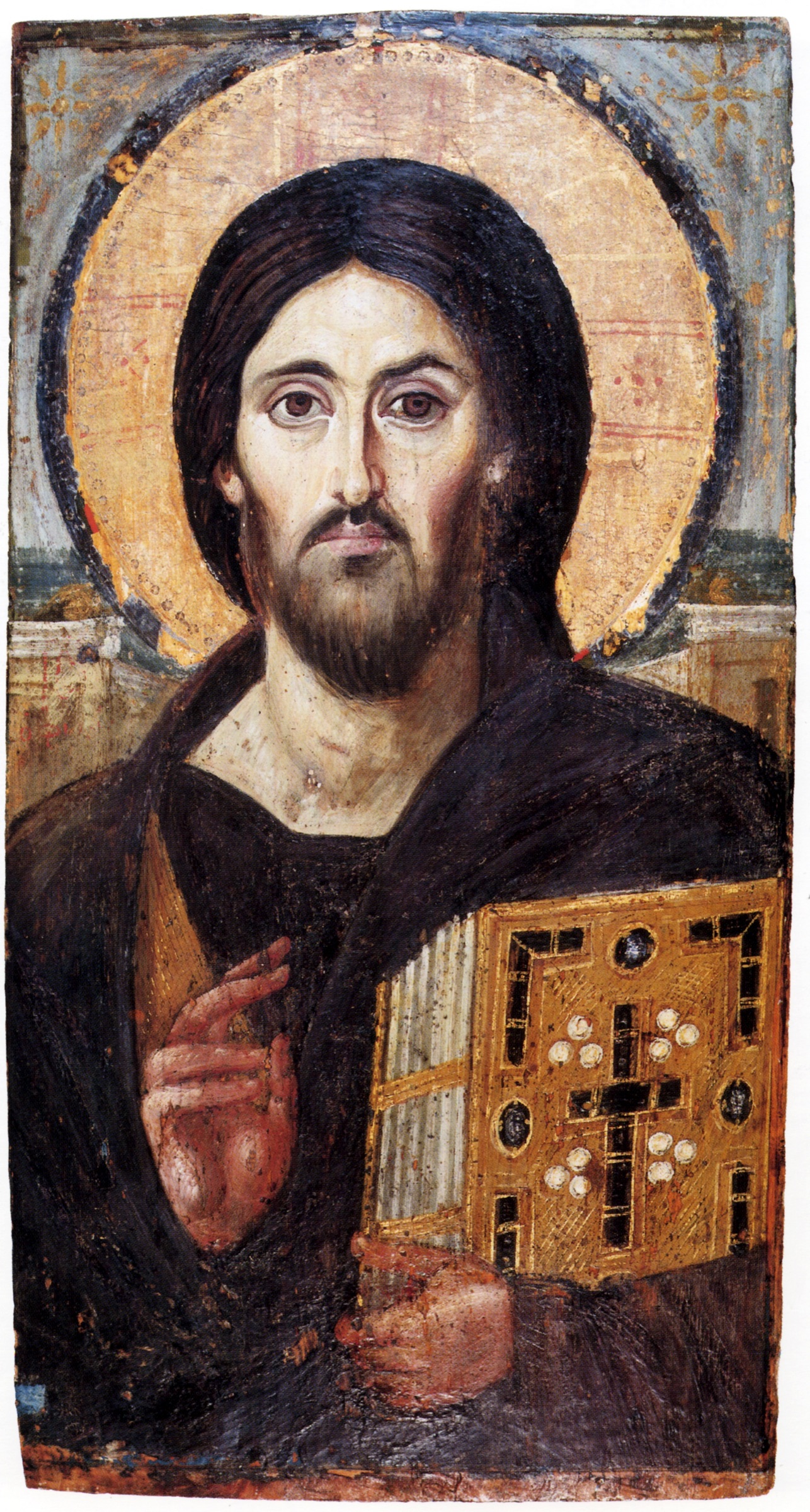
- Title: Christ Pantocrator (icon of Christ)
- Artist: Unknown
- Date made: 6th century (mid-sixth century by style)
- Medium: Encaustic (hot wax paint) on wood panel
- Current location: Saint Catherine’s Monastery, Sinai, Egypt
- Source page: Wikimedia Commons, Spas vsederzhitel sinay
- License: Public domain, a reproduction of a work that is old enough to be free of copyright (PD-Art)

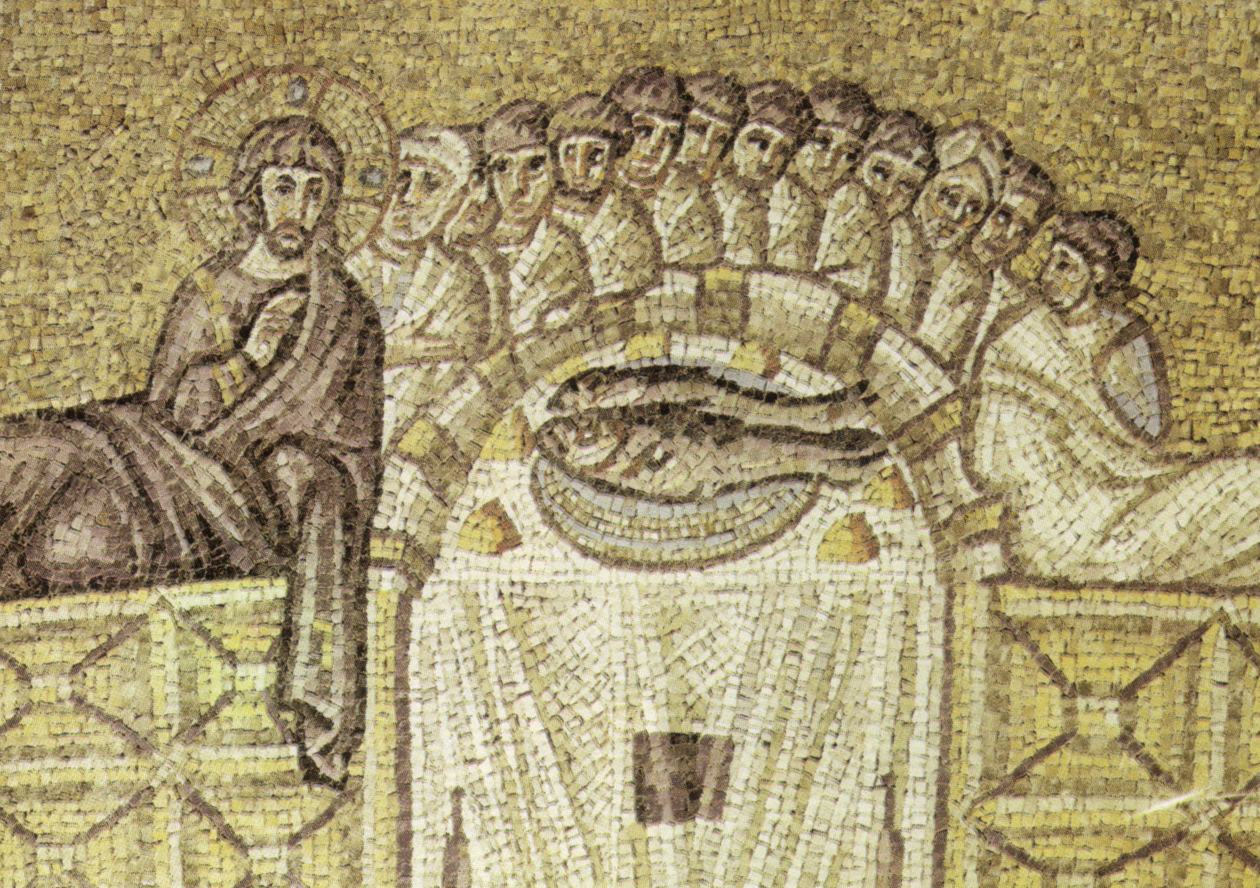
- Title: The Last Supper
- Artist: Unknown
- Date made: Early 6th century, in the reign of King Theodoric (the Theodoric-period mosaics date from about AD 500)
- Medium: Glass mosaic
- Current location: Basilica of Sant’Apollinare Nuovo, Ravenna, Italy
- Source page: Wikimedia Commons, Ravenna, Sant’Apollinare Nuovo, Ultima cena
- License: Public domain, PD-old
.jpg)
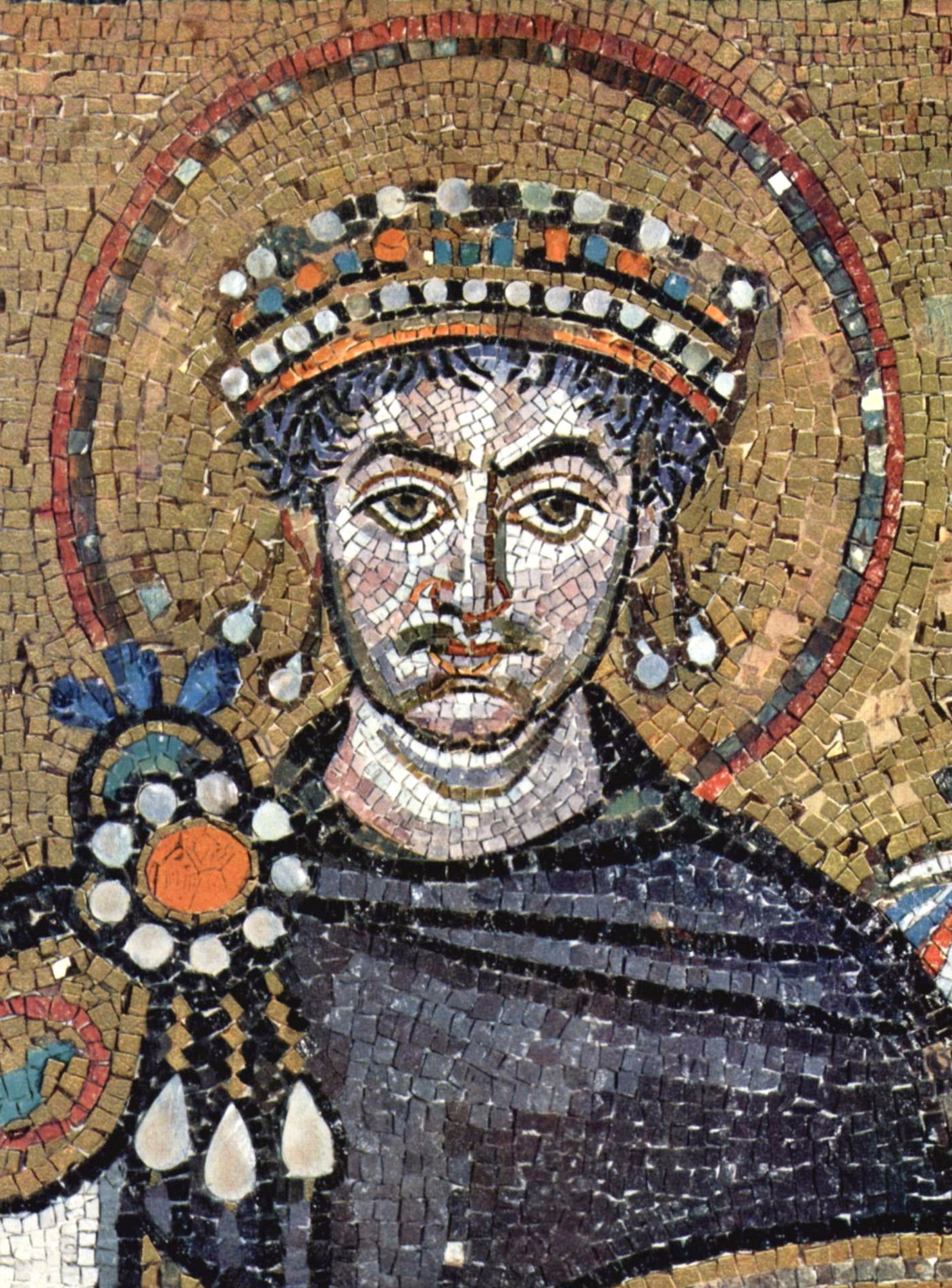
- Title: Emperor Justinian I (detail from Justinian and his retinue)
- Artist: Unknown workshop in Ravenna
- Date made: AD 547, the year of San Vitale’s consecration
- Medium: Glass and gold mosaic
- Current location: Basilica of San Vitale, Ravenna, Italy
- Source page: Wikimedia Commons, Meister von San Vitale in Ravenna
- License: Public domain, from the Yorck Project scan collection (PD-Art)

What you see
The icon shows Christ from the chest up, facing us. His right hand is raised in blessing, and his left hand holds a gold Gospel book with a cross on the cover. A gold halo rings his head. The Last Supper mosaic shows Christ on the left, with his disciples around a curved table. A large dish of fish and loaves of bread sit in the center. The Justinian detail shows the emperor’s face in a jeweled crown and a gold halo, with a purple robe.
Why it matters
Few works of art survive from the sixth century, and these three come from its main centers. The Sinai icon is one of the oldest icons of Christ. It was probably made in Constantinople, and its remote home in Sinai helped it survive. Ravenna’s mosaics come from two rulers. Theodoric, an Arian king (Arians taught that the Son is a lesser being), built Sant’Apollinare Nuovo and dedicated it to Christ. Justinian later took Ravenna, and Sant’Apollinare Nuovo was rededicated around 560. San Vitale was consecrated in 547.
Christ and the sacraments
The Sinai icon shows the one Christ whom Chalcedon and Constantinople II confess. Some viewers read its uneven face as God and man in one person, though scholars disagree. The Last Supper mosaic shows the meal where Christ gave the Lord’s Supper. The Justinian panel shows the emperor carrying a paten, the dish for the bread of the Lord’s Supper. Together the three images keep Christ and his Supper at the center.
Teaching question
The Last Supper mosaic puts fish and loaves on the table. What words did Christ speak at the Supper, and what does he give with them? Read Augsburg Confession X and Small Catechism: the Sacrament of the Altar.
Sources
- The Byzantine Legacy, Christ Pantocrator at Saint Catherine’s: mid-sixth-century date, encaustic on wood panel, 84 by 45.5 cm, and the probable origin in Constantinople.
- Christian Iconography, Christ Pantocrator icon: the mid-sixth-century date by style, and a caution that the two-natures reading of the face is debated.
- The Byzantine Legacy, Basilica of Sant’Apollinare Nuovo: an Arian cathedral built by Theodoric after 500 and dedicated to Christ, converted to a Catholic church about 560, with side-wall mosaics from about 500 and about 560.
- Brewminate, San Vitale and the Justinian Mosaic: begun in 526 or 527 under Ostrogothic rule, consecrated in 547, and Bishop Maximian named by an inscription beside Justinian.
- Daily Art Magazine, Mosaics in San Vitale: the emperor carries a paten, and Bishop Maximian is named by an inscription.