Week 18 · 18th century: AD 1701–1800
Artwork
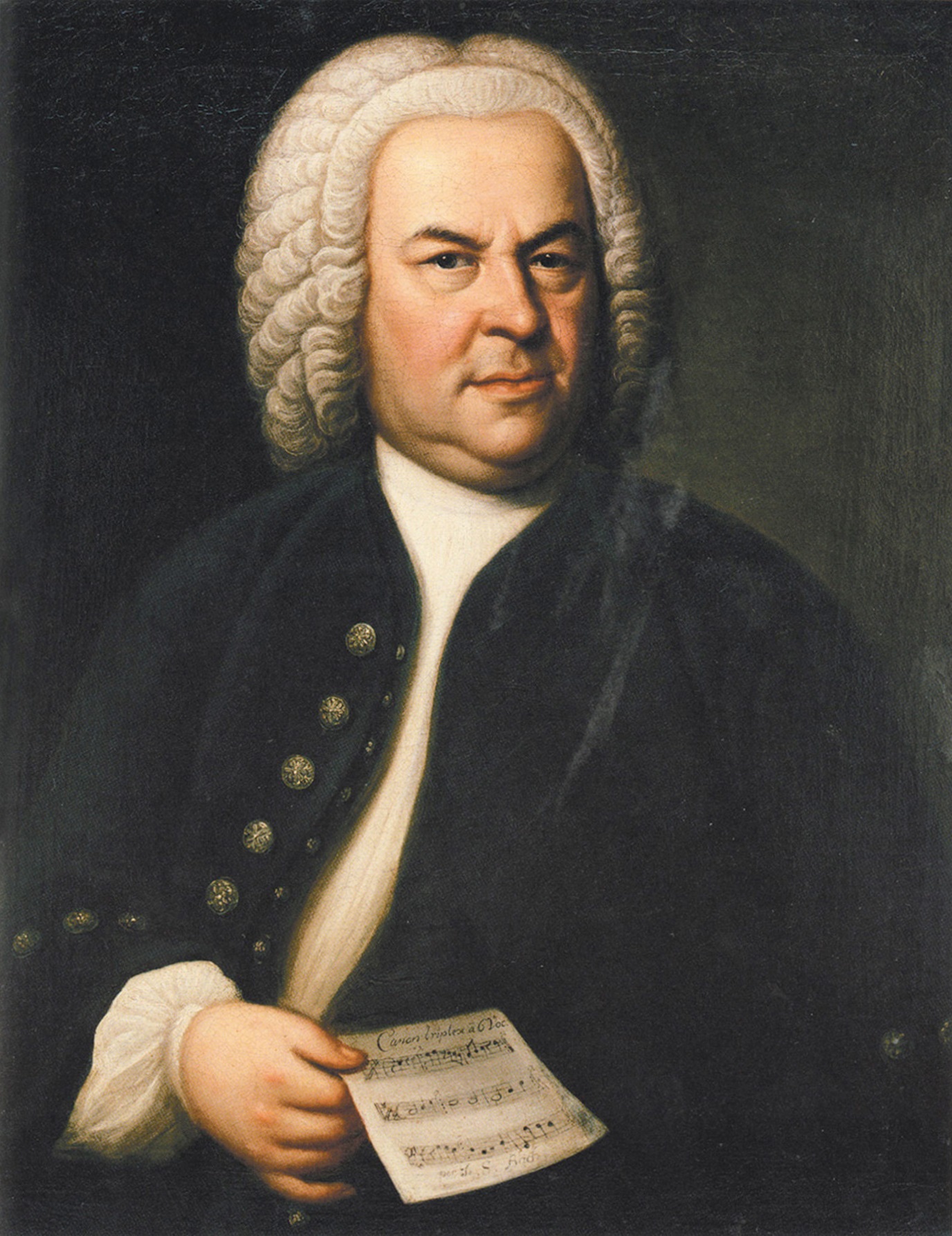
- Title: Johann Sebastian Bach (aged 61), holding the six-part canon BWV 1076
- Artist: Elias Gottlob Haussmann
- Date made: 1748 (a second version of his 1746 portrait)
- Medium: oil on canvas
- Current location: Bach-Archiv Leipzig (bequest of William H. Scheide)
- Source page: Wikimedia Commons
- License: public domain, the work is over 100 years old (Commons licensing section)


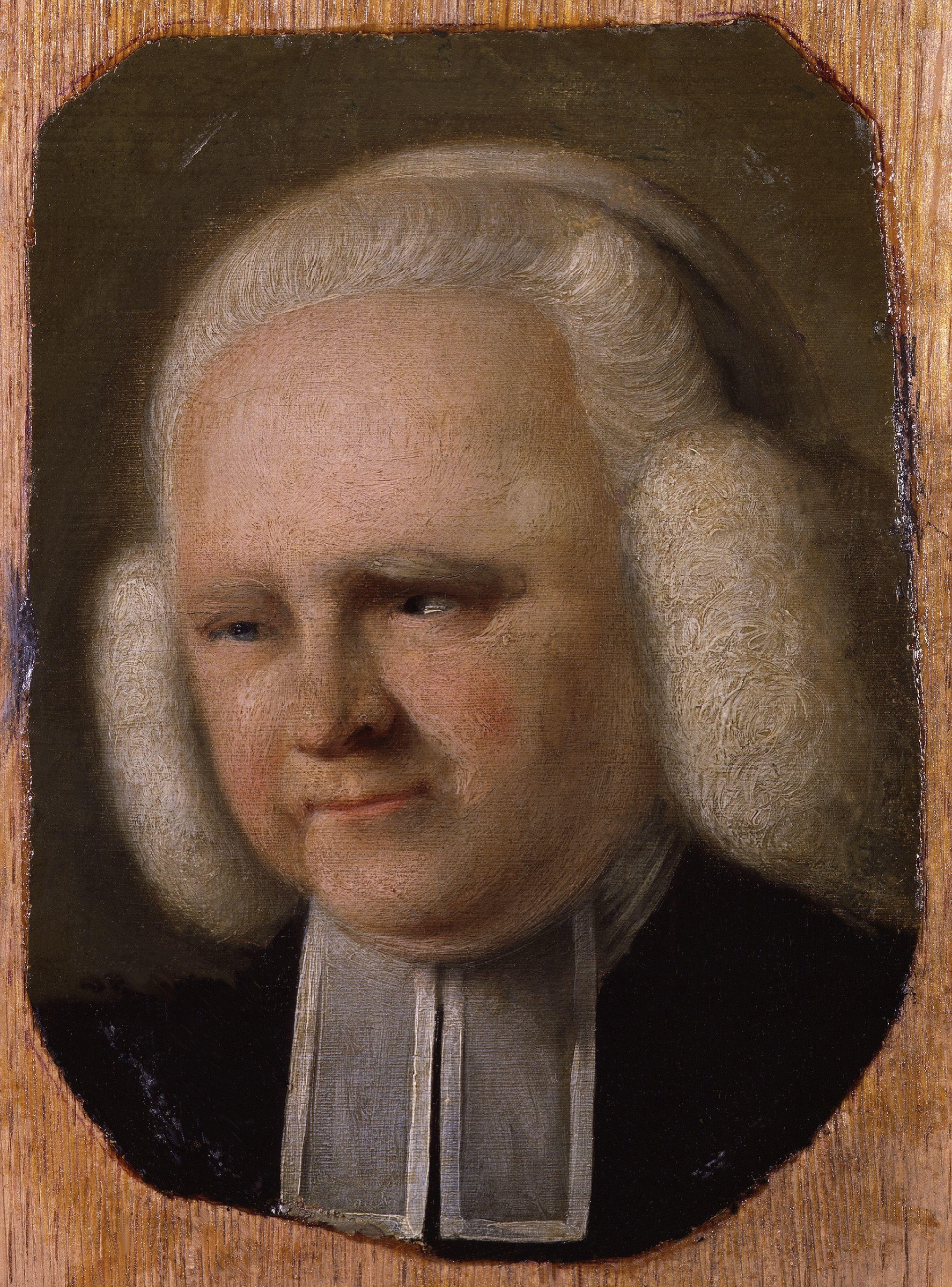
- Title: George Whitefield
- Artist: John Russell
- Date made: about 1770, the year Whitefield died
- Medium: oval portrait miniature, about 17.5 by 13.6 cm (the sources read do not name the paint medium)
- Current location: National Portrait Gallery, London (NPG 1792)
- Source page: Wikimedia Commons
- License: public domain, the work is over 100 years old (Commons licensing section)


What you see
The first picture shows Bach at age 61. Haussmann painted the first version in 1746, and this 1748 picture is his second version. He wears a dark coat and a white powdered wig. He looks straight at us with a steady, serious face. In his right hand he holds a sheet of music, a puzzle canon (a tune that several voices sing in overlapping turns) for six voices. The second picture is a close portrait of Whitefield in his last years. He wears a white powdered wig and black clerical dress with white preaching bands at the neck. His face is heavy and tired, and he has a squint in one eye. The painter left the plain wood around the small portrait in view.
Why it matters
Haussmann was a Leipzig portrait painter who made official portraits for the town council, and this is the best-known likeness of Bach made in his lifetime. Bach chose to be shown with his own music, not with an instrument, which shows how he saw his calling. This is a portrait, not a church painting. Still, it stands for Lutheran Europe in this century. Bach served as cantor (head church musician) in Leipzig. The Whitefield portrait was painted about 1770, a little later in the century. It shows the other great force of the century, the revival preaching that crossed the Atlantic and shaped American religion. Together the two images set Lutheran church music beside the revival preaching Lutherans met in the colonies.
Christ and the sacraments
Bach’s cantata BWV 7 sets Luther’s hymn on Christ’s Baptism in the Jordan. It teaches that Baptism is water joined to God’s Word and to the blood of Christ. The portrait reminds us that Bach served the Gospel with his gifts. Whitefield’s portrait raises a question for comparison: do we rest assurance on a preacher’s call and our own response, or on Christ’s promise given in Baptism and the Supper?
Teaching question
Bach’s music and Whitefield’s sermons both proclaim Christ. How does each help a hearer trust that Christ’s promise is for him, and what does each leave to the sacraments? Read Augsburg Confession V and Small Catechism, Baptism.
Sources
- Wikimedia Commons, file page for Haussmann’s portrait of Bach (date, medium, collection)
- Teri Noel Towe, The 1748 Haussmann Portrait (Bach Cantatas Website): Haussmann as a Leipzig portrait painter, the 1746 town council portrait, the 1748 second version, the canon BWV 1076 on the sheet, and the Scheide bequest to the Bach-Archiv Leipzig.
- J. S. Bach Foundation, BWV 7 notes on the chorale and Baptism
- Wikimedia Commons, file page for Russell’s Whitefield (about 1770, National Portrait Gallery NPG 1792)
- American Heritage Education Foundation, George Whitefield: Evangelist of the Great Awakening: Whitefield (1714 to 1770), his seven tours of the colonies, and his message of the new birth.